 EN
EN BG
BG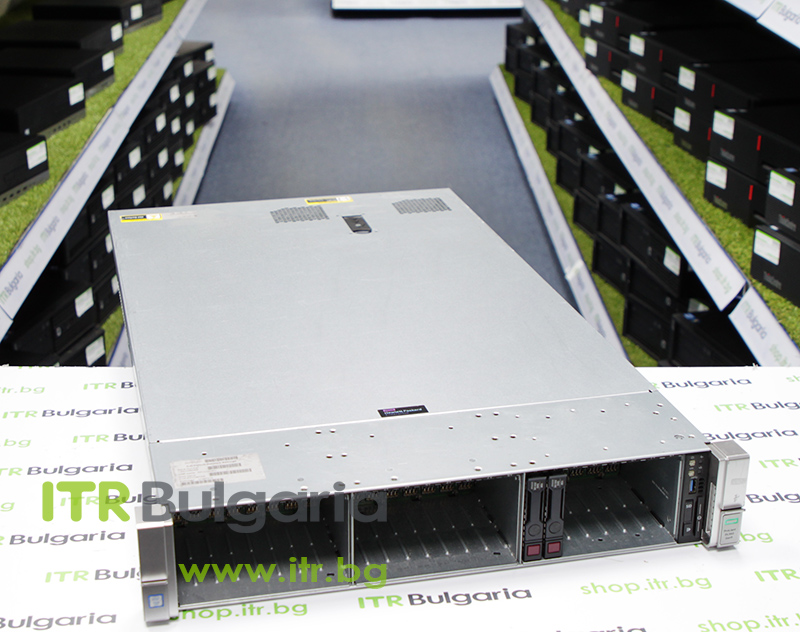
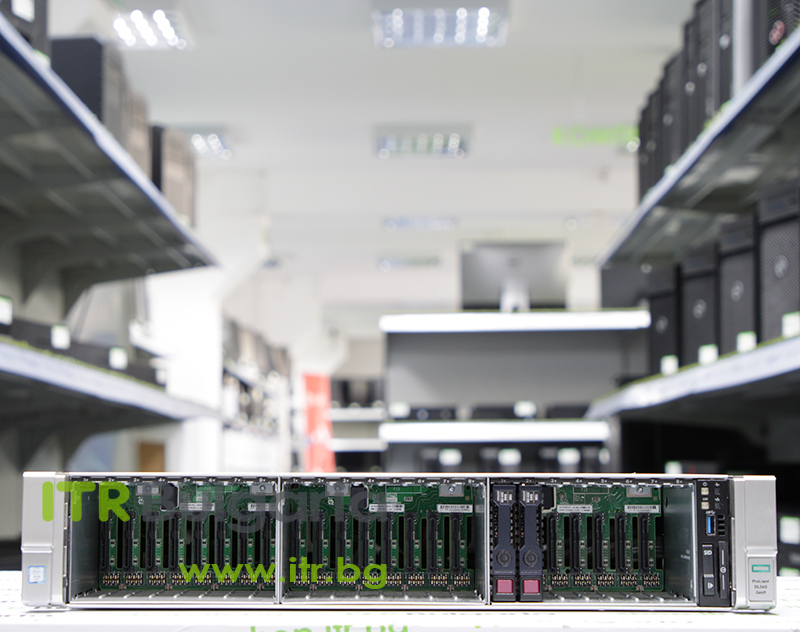
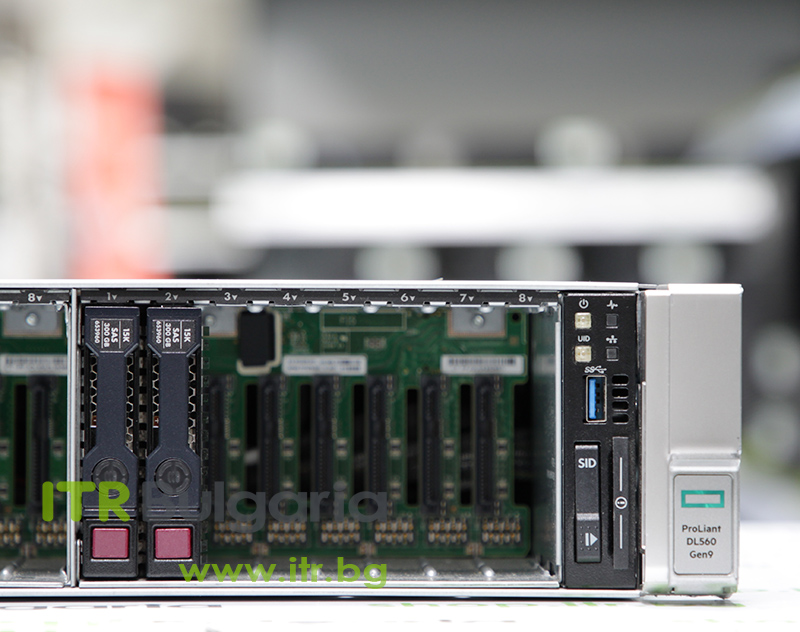
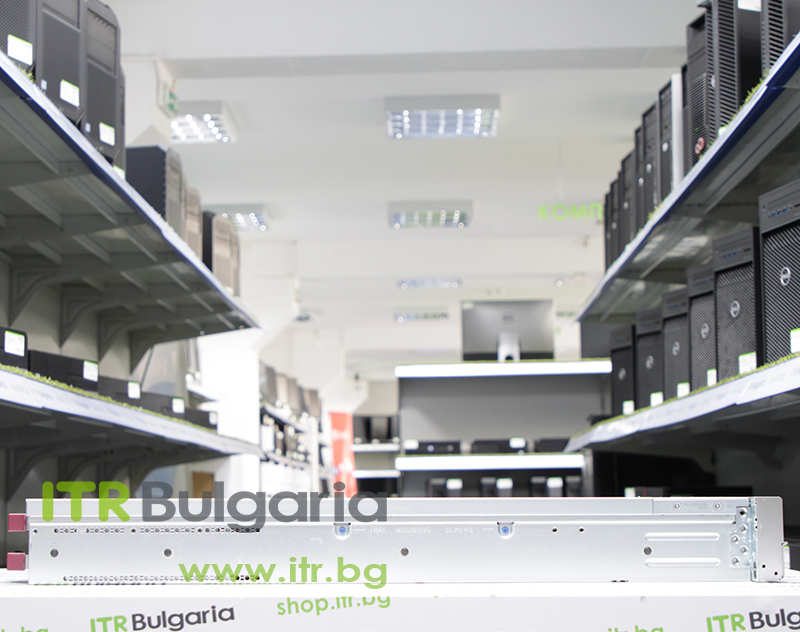
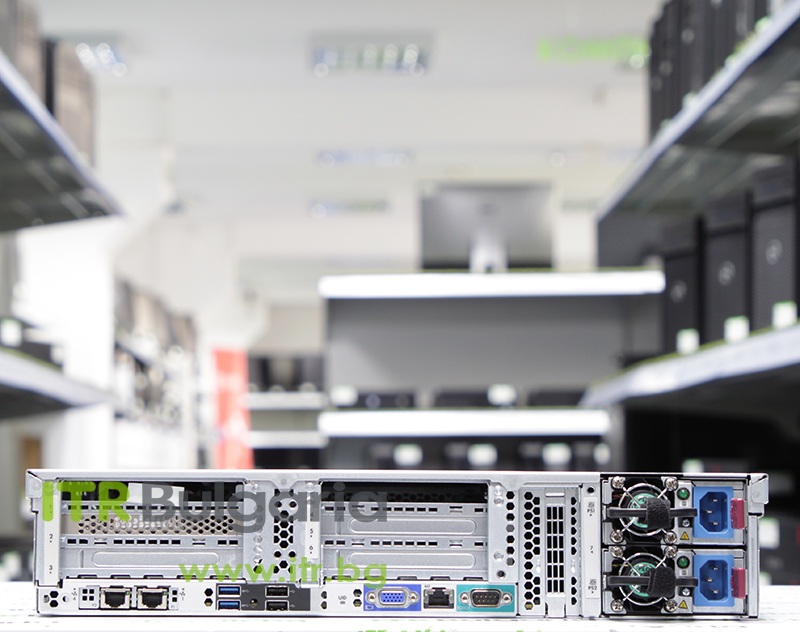
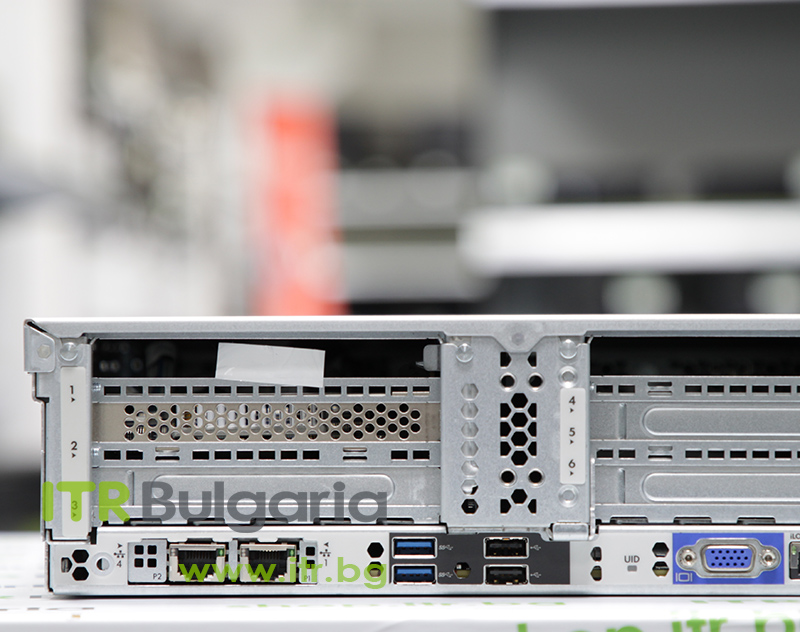
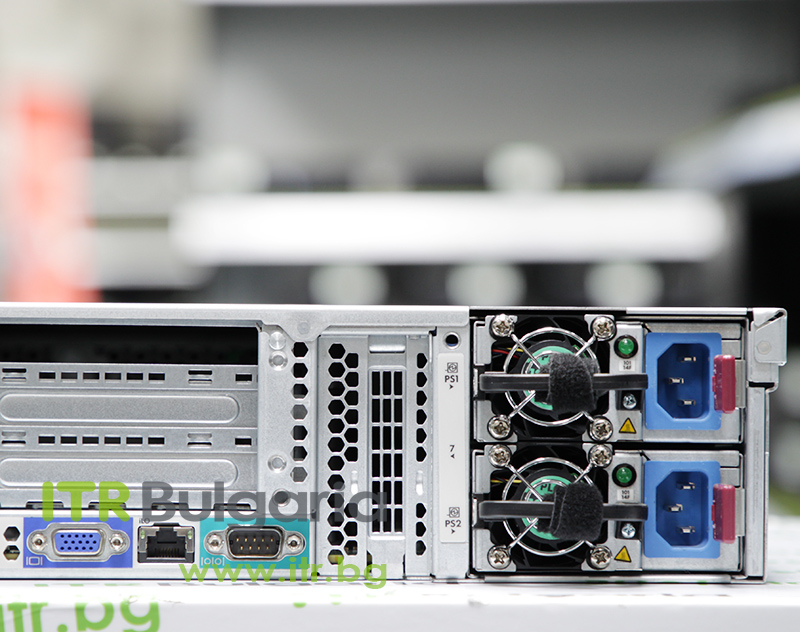
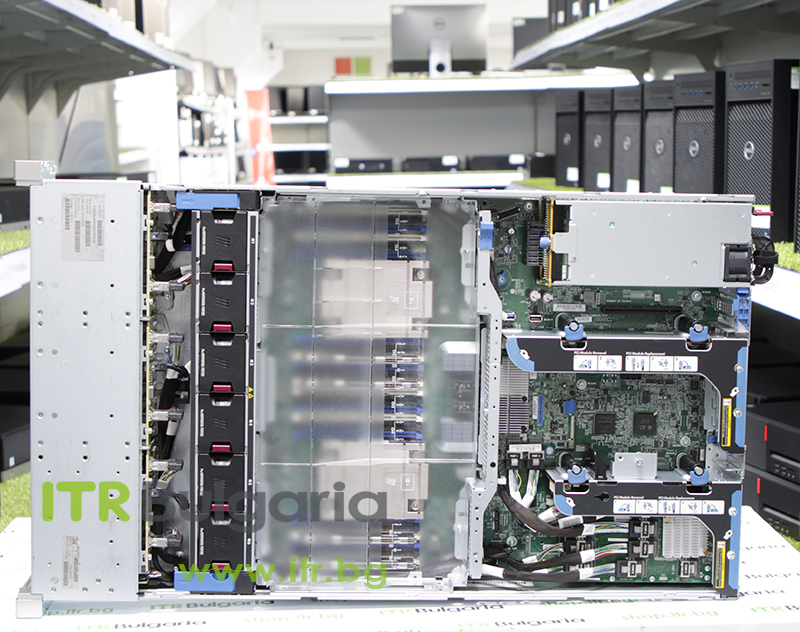
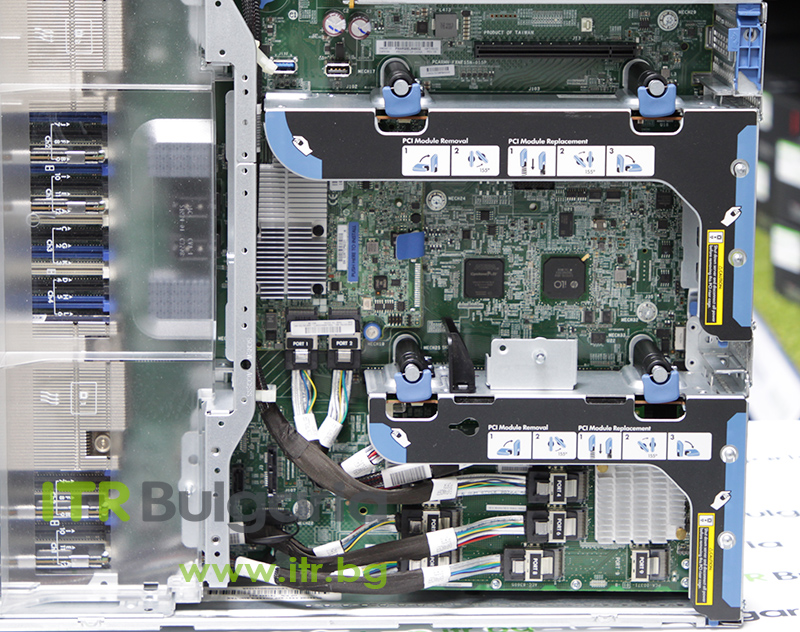
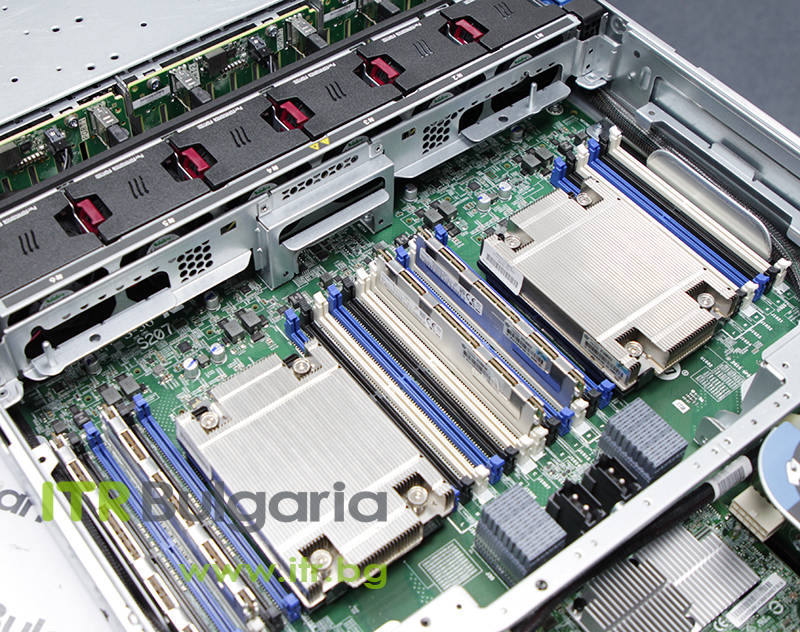
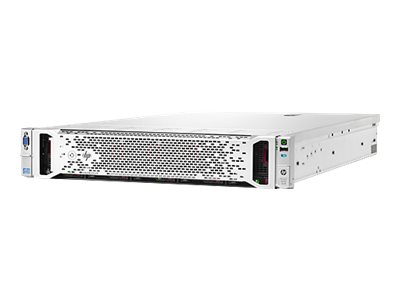
HPE ProLiant DL560 Gen9 Rack Mount 2U
| Brand: | HPE |
| Model: | ProLiant DL560 Gen9 |
| Grade: | Grade A |
| Storage support: | 24x 2.5" |
| CPU: | 2x Intel Xeon 10-Core E5 |
| CPU frequency: | 4627 v4 2600MHz 25MB |
| Memory size: | 128GB |
| Memory type: | RDIMM DDR4 |
| Storage capacity: | 2x 300GB |
| Storage type: | SAS 2.5" |
| RAID Controller: | Smart Array P440ar/2GB |
| Network card type: | 2-port 10Gb Ethernet FlexibleLOM |
| PSU: | 2x 1200W Platinum |
| Additional info: | SAS Expander Card |
| Case type: | Rack Mount 2U |
| Warranty: | 12 months |
Benefits
What makes this model a sensible refurbished server choice from the previous generation.
Scale-up resources in 2U
Suitable when more compute power is needed in limited rack space.
Strong for enterprise applications
A good fit for ERP, CRM, VDI, databases and consolidation.
HPE management ecosystem
Suitable for infrastructures already using ProLiant and iLO practices.
More compact than DL580
Provides higher-class resources without moving to a large 4U machine.
Description
The model\'s real role, its strengths and the honest trade-off.
HPE ProLiant DL560 Gen9 is a model for the point where a standard 2U server is no longer enough. It is a stronger platform than the DL380 Gen9 and is aimed at environments where more compute power, memory and consolidation must remain in a 2U rack format.
As a used HPE ProLiant DL560 Gen9, the server makes sense for companies with heavier virtualization environments, database workloads, ERP, CRM, VDI or analytical tasks. It is especially useful when you want to reduce the number of physical machines but do not want to move to a large 4U server.
The DL560 Gen9 is not universal in the same way as the DL380 Gen9. It is bought for a more specific problem: the resources of a standard 2U model are not enough, but rack space and architecture do not allow or require the DL580 Gen9. That makes it a very good intermediate scale-up option.
The honest trade-off is that the model is too heavy for simple roles. For web hosting, directory services, small backup or file serving, the DL360 or DL380 Gen9 is often more suitable. The DL560 Gen9 should be selected when the workload truly justifies the higher class.
For buyers looking for a refurbished server for consolidation and heavy applications, the DL560 Gen9 is a strong HPE option. The key is to align the configuration with the specific task: memory, storage layer, controller, network, licensing and growth plan.
Use cases
Practical roles where this server makes the most sense.
Dense virtualization
For more virtual machines and consolidation in a 2U format.
Databases
For database workloads that require more resources than a typical DL380.
ERP, CRM and VDI
For heavier business applications and centralized user environments.
Analytics and HPC-like tasks
For analytical and compute workloads when the configuration is appropriate.
Applications and workload fit
This map shows which applications HPE ProLiant DL560 Gen9 fits best as a refurbished server and where another form factor, configuration or more specialized platform may be the better choice. The ratings describe the model role, while the final decision should still follow CPU, memory, controller, drive, networking and warranty requirements.
Workload fit map
The map helps show where the model is naturally strong and where configuration needs more care.
Virtualization
Optimal scenarioRunning multiple virtual machines on one physical server to use resources more efficiently.
Cloud
Very suitableDelivering compute resources and applications over a network or the internet for flexibility and scale.
Data Storage
SuitableCentralized storage and management of large data volumes where capacity and the storage layer matter most.
Backup
SuitableBackup repositories, retention policies and restore workflows for data-loss, failure or incident recovery.
Edge Computing
Configuration-dependentProcessing data closer to its source to reduce latency and dependence on a central data center.
High Performance Computing (HPC)
Very suitableHigh compute power for scientific, engineering, simulation or analytical workloads.
Mission Critical
Very suitableReliable operation for important business processes where downtime has a serious operational impact.
Database
Optimal scenarioStoring and processing structured data with fast access, indexing, transactions and reporting.
Web Server
Configuration-dependentHosting websites, internal portals, API services and web applications.
AI & Machine Learning
Configuration-dependentCompute capacity for AI inference, experiments and ML tasks when the configuration is appropriate.
Big Data & Analytics
Very suitableProcessing and analyzing large datasets for reporting, modelling and business decisions.
Content Delivery Network (CDN)
Configuration-dependentServing video, images and other files to users more quickly and efficiently.
Email Hosting
SuitableHosting corporate email services, mailboxes and related messaging systems.
Development and Testing
Very suitableDevelopment, staging, test virtual machines and application validation before production.
Gaming Servers
Configuration-dependentHosting online games, private servers and multiplayer services depending on the workload.
IoT (Internet of Things)
Configuration-dependentCollecting, processing and managing data from devices, sensors and edge systems.
Collaboration Tools
Very suitableHosting collaboration platforms such as SharePoint, Confluence, wikis and internal portals.
Security and Surveillance
Configuration-dependentVideo archive, surveillance systems, logs, SIEM components and security services depending on configuration.
Load Balancing
Configuration-dependentDistributing load across services or servers for better performance and reliability.
Media Streaming
Configuration-dependentHosting and delivering video or audio streaming services for internal or public use.
Enterprise Applications (ERP, CRM, VDI etc)
Optimal scenarioHosting ERP, CRM, VDI and other systems that support daily business processes.
Cache Service
Very suitableKeeping frequently used data in RAM to speed up requests and reduce latency.
File Server
SuitableHosting shared company folders, user files and departmental resources with access control.
Directory & Network Services
SuitableDomain services, DNS, DHCP, authentication, policy management and other core network roles.
Infrastructure highlights
A short reading of its role in real business infrastructure.
2U scale-up ProLiant for heavy enterprise workloads.
Dense virtualization, database, ERP, CRM, VDI and analytics.
Not best for simple services or storage-first roles.
When the DL380 is limited and the DL580 is too large.
Useful links
Official resources and filtered available configurations for the exact model.
View available HPE ProLiant DL560 Gen9 configurations
The best used server choice comes from matching model, configuration, workload and budget.
View all configurationsWhere this model fits in the series
The DL560 Gen9 sits above the DL380 Gen9 as a stronger 2U scale-up model and below the DL580 Gen9 as a more compact alternative. It is for heavy applications, not for a general small infrastructure role.
Not ideal if...
- if the task is only a web server, DNS, DHCP or small file server;
- if you need a storage-first backup platform;
- if the DL380 Gen9 fully covers the workload;
- if you want the maximum 4U scale-up system.
Choosing the right form factor
The 2U scale-up format is right when you need more resources than a standard 2U server but want to preserve rack space. For maximum enterprise workloads, the DL580 Gen9 is the next step.
Alternative models
- HPE ProLiant DL380 Gen9: if you want a more universal and economical 2U server.
- HPE ProLiant DL580 Gen9: if the task requires the maximum HPE scale-up platform.
- Dell PowerEdge R830: if you prefer the Dell ecosystem in a similar 2U scale-up role.
Refurbished by ITR Bulgaria : what value do you get?
Buying a refurbished enterprise-class server makes the most sense when the machine has been checked, configured and prepared for real business use. In that context, used servers and pre-owned servers become refurbished servers that can be a practical, predictable and professional alternative to new budget models or much more expensive new enterprise configurations.
- Technical and cosmetic assessment according to an internal standard
- Checks of processors, memory, power supplies, fans, controllers and management functionality depending on the exact configuration
- Cleaning, refurbishment and configuration for repeated business use
- CTO configuration options depending on workload, budget and availability
- Packaging, real warranty and support from ITR Bulgaria
Frequently asked questions
- What is the DL560 Gen9 best suited for?
Heavy virtualization, databases, ERP, CRM and consolidation in a 2U format. - DL560 or DL380 Gen9?
The DL380 is universal; the DL560 is better when the DL380's resources are not enough. - Is it suitable as a refurbished server?
Yes, when the workload justifies the higher class and the configuration is prepared properly.

The offered items are used

The products are tested for quality and reliability

Service and maintenance of warranty equipment
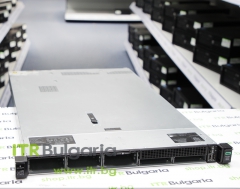
- CPU: 2x Intel Xeon 24-Core Platinum
- CPU frequency: 8160 2100MHz 33MB
- Memory size: 128GB
- Memory type: RDIMM DDR4
- Storage capacity: No storage
- CPU: 2x Intel Xeon 24-Core Gold
- CPU frequency: 6262 1900MHz 33MB
- Memory size: 128GB
- Memory type: RDIMM DDR4
- Storage capacity: No storage
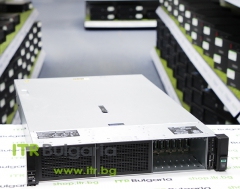
- CPU: 2x Intel Xeon 22-Core Gold
- CPU frequency: 6152 2100MHz 30.25MB
- Memory size: 256GB
- Memory type: RDIMM DDR4
- Storage capacity: No storage
- CPU: 2x Intel Xeon 14-Core Gold
- CPU frequency: 6132 2600MHz 19.25MB
- Memory size: 256GB
- Memory type: RDIMM DDR4
- Storage capacity: No storage
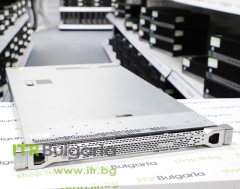
- CPU: Intel Xeon 8-Core E5
- CPU frequency: 2630 v3 2400MHz 20MB
- Memory size: 64GB
- Memory type: RDIMM DDR4
- Storage capacity: No storage
- CPU: 2x Intel Xeon 14-Core Gold
- CPU frequency: 6132 2600MHz 19.25MB
- Memory size: 128GB
- Memory type: RDIMM DDR4
- Storage capacity: No storage
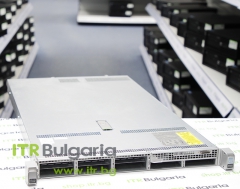
- CPU: Intel Xeon 8-Core E5
- CPU frequency: 2630 v3 2400MHz 20MB
- Memory size: 64GB
- Memory type: RDIMM DDR4
- Storage capacity: No storage